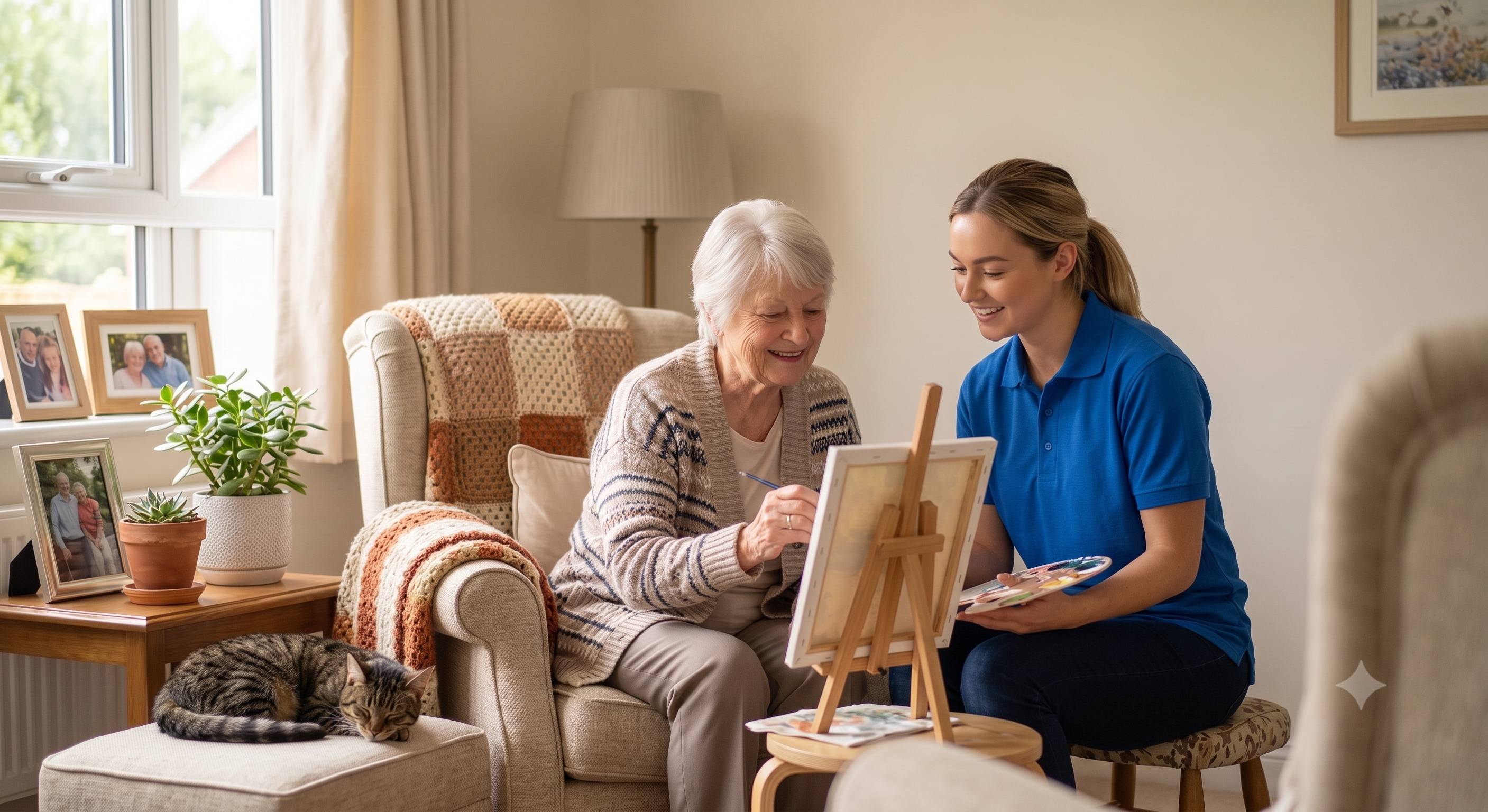
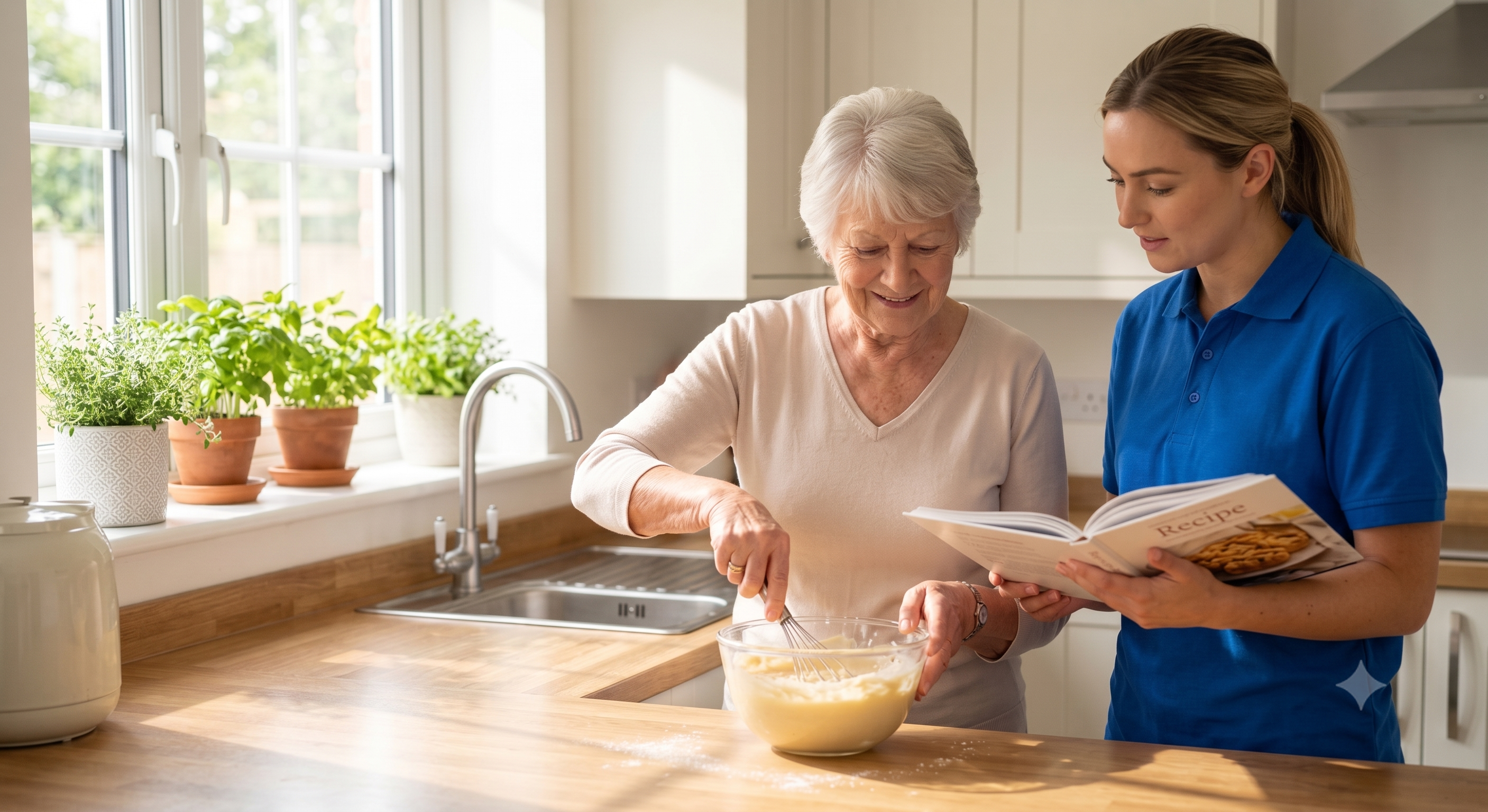
Home health care lets seniors stay in the home they know while getting the support they need, and that is often the difference between coping and thriving. Ageing in place with dignity is what most older people say they want. With the right help around them, it is realistic for many more families than they expect.
Why home matters
For an older person, home is more than a building. It holds routines, familiar faces, favourite corners and a sense of being in charge of one's own day. Moving out of that setting, even to a comfortable facility, can feel like losing independence.
Staying at home protects that sense of control. Seniors keep their own kitchen, their own schedule and their own neighbourhood, and families see their parents more like themselves.
What home health care can include
Home health care is a wide term. Depending on the need, it can mean:
- Trained nurses and caretakers for daily assistance, personal care and companionship.
- Doctor consultations by video call, or a doctor visiting the home.
- Hospital-grade setup at home: an adjustable bed, oxygen or monitoring equipment, and other items arranged for recovery or long-term care.
- Help around medical care: appointments, prescriptions, follow-ups and coordination with the hospital.
- Transport and ambulance arrangements for scheduled visits or emergencies.
Not every family needs all of this. The point is that support can be built up piece by piece around one person's actual needs.
How it supports independence
Good home care does not do everything for a person. It does the things they can no longer manage safely and leaves the rest to them.
- Safety without supervision at every moment. A caretaker who helps with bathing or walking lowers the risk of falls while still letting a parent do what they can.
- Medicines taken on time. Someone to remind, organise and follow up keeps treatment on track.
- Faster help when something changes. A small change noticed early, such as poor appetite, new confusion or unsteadiness, can be raised with a doctor before it becomes a crisis.
- Company. Regular, friendly visits reduce isolation, which affects mood as much as health.
Recovering at home after a hospital stay
Many families find the days after discharge the hardest. The hospital has gone quiet, and suddenly the family is responsible for care routines they have never done.
Planning ahead makes a real difference. Before discharge, ask the hospital what care your parent will need, arrange the right equipment at home, and line up a trained caretaker or nurse if required. Having a coordinator who understands the hospital paperwork and follow-up schedule takes a great deal of pressure off the family.
Keeping families connected
Independence for a senior often means peace of mind for their children. Simple, regular updates let you know how a parent is doing without hovering over them. When you can see that care is steady, you can step back and let your parents live on their own terms.
When home care may not be enough
Home health care is a strong choice for many, but not all situations. If a parent needs constant clinical monitoring or has a condition that can't be safely managed at home, their doctor may advise a different setting. Speak openly with the treating doctor and choose what is safest, not just what is most familiar.
How SIDDHI ElderCare Services can help
SIDDHI provides compassionate, one-on-one non-medical home care and support across Mumbai and Virar. We help families arrange trained caretakers and nurses, set up hospital-grade beds and equipment at home, connect with doctors for video consultations or home visits, and coordinate hospital and ambulance support. Our care coordinators are on call 24/7, and a free conversation is the easiest place to start.